
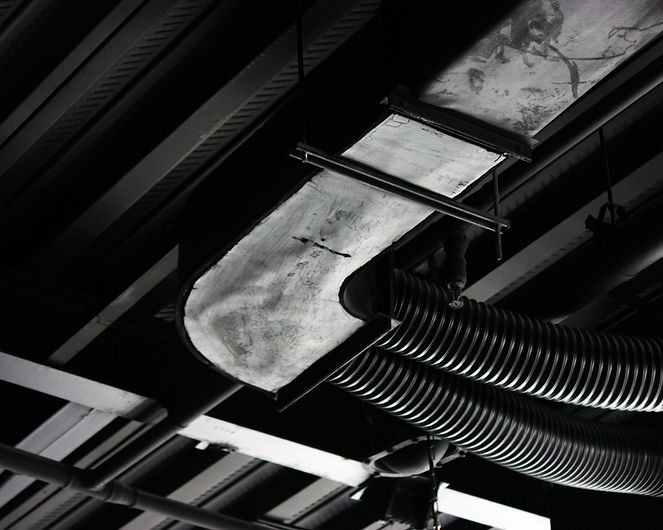
COSHH THOROUGH EXAMINATION AND TEST
COSHH LEV Testing (TExT)
LEV systems must be regularly tested under COSHH Regulation 9 to ensure they are effectively controlling exposure to dust, fume and airborne contaminants.
LEV testing is a key part of COSHH compliance, but it’s not always clear what’s involved or what to expect. A Thorough Examination and Test (TExT) is not just about meeting requirements — it’s about confirming your system is actually protecting your workforce.
WHAT IS A TExT?
A Thorough Examination and Test is a detailed assessment of your LEV system to check that it is:
-
Working effectively
-
Controlling exposure at source
-
In a suitable condition for continued use
It combines visual inspection, performance testing and practical assessment of how the system is operating in real conditions.

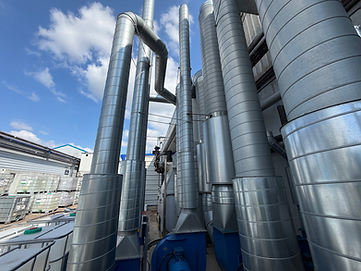
How Often Should LEV Be Tested?
Under COSHH Regulation 9, LEV systems must be thoroughly examined and tested at regular intervals.
-
Most LEV systems require testing at least every 14 months
-
Some systems, depending on use and risk, may require more frequent testing
-
Commissioning documents issued with your system may stipulate a different testing frequency
If you’re unsure when your system was last tested or what applies to your setup, we can advise based on your specific process and risk level.
What to Expect on the Day?
We aim to keep disruption to a minimum and work around your site wherever possible.
A typical visit will involve:
-
Reviewing the system layout and how it is used
-
Inspecting hoods, ductwork, fans and filters for damage, leaks, poor connections & support
-
Taking airflow measurements at key points
-
Assessing how effectively contaminants are being captured
-
Identifying any faults, wear or performance issues
Where appropriate, we will discuss any issues on site so you have a clear understanding of what we are seeing.
How Long Does It Take?
This depends on the size and complexity of the system.
-
Small, simple systems may take a few hours
-
Larger or more complex installations may take a full day or more
We will always give an indication beforehand so you know what to expect.
What You Receive?
Following the test, you will receive a clear, structured report including:
-
System details and test results
-
Assessment of performance and compliance
-
Identification of any faults or concerns
-
Practical recommendations, prioritised where necessary
What We May Need From You?
To carry out an effective LEV test, it helps to have some basic information about your system and how it is used.
Where available, this may include:
-
Previous LEV test reports
-
Commissioning Data/Reports
-
Details of the processes and substances being controlled
-
Risk assessments or COSHH assessments
-
System drawings or commissioning information
Don’t worry if you don’t have all of this — we can work with what’s available and guide you through anything else we may need.
Before Carrying Out Remedial Works
Where systems have known issues or have previously failed, it is often beneficial to carry out a full TExT before any remedial work is undertaken.
This allows us to:
-
Fully understand current system performance
-
Identify the root cause of any issues
-
Ensure any remedial works are targeted and effective
Taking this approach avoids unnecessary work and ensures any changes made deliver the required improvement.

Common Issues We See
-
Low duct velocities due to poor duct design – leading to blockages and further reduced transport velocities
-
Systems that are running but not effectively capturing contaminants
-
Poorly positioned hoods
-
Blocked or poorly maintained filters
-
Previous reports highlighting issues without clear resolution
More Than Just a Compliance Exercise
A TExT should do more than confirm whether a system passes or fails.
We focus on providing clear, practical guidance — not just identifying issues, but helping you understand what needs to be done to resolve them.
Not sure if your LEV system is due for testing or performing as it should?
Get in touch for a quick, no-obligation chat.